Actions, Not Words
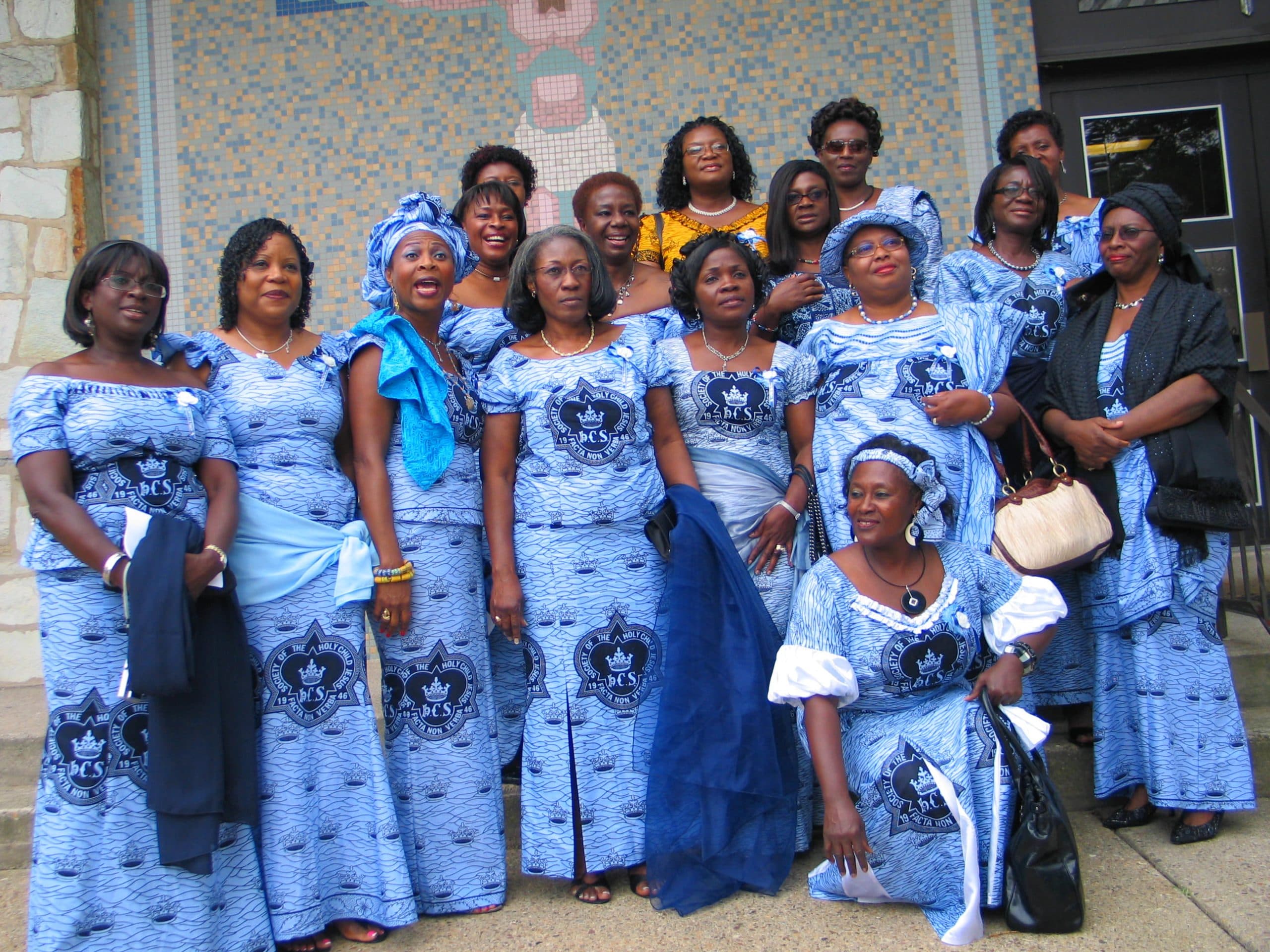
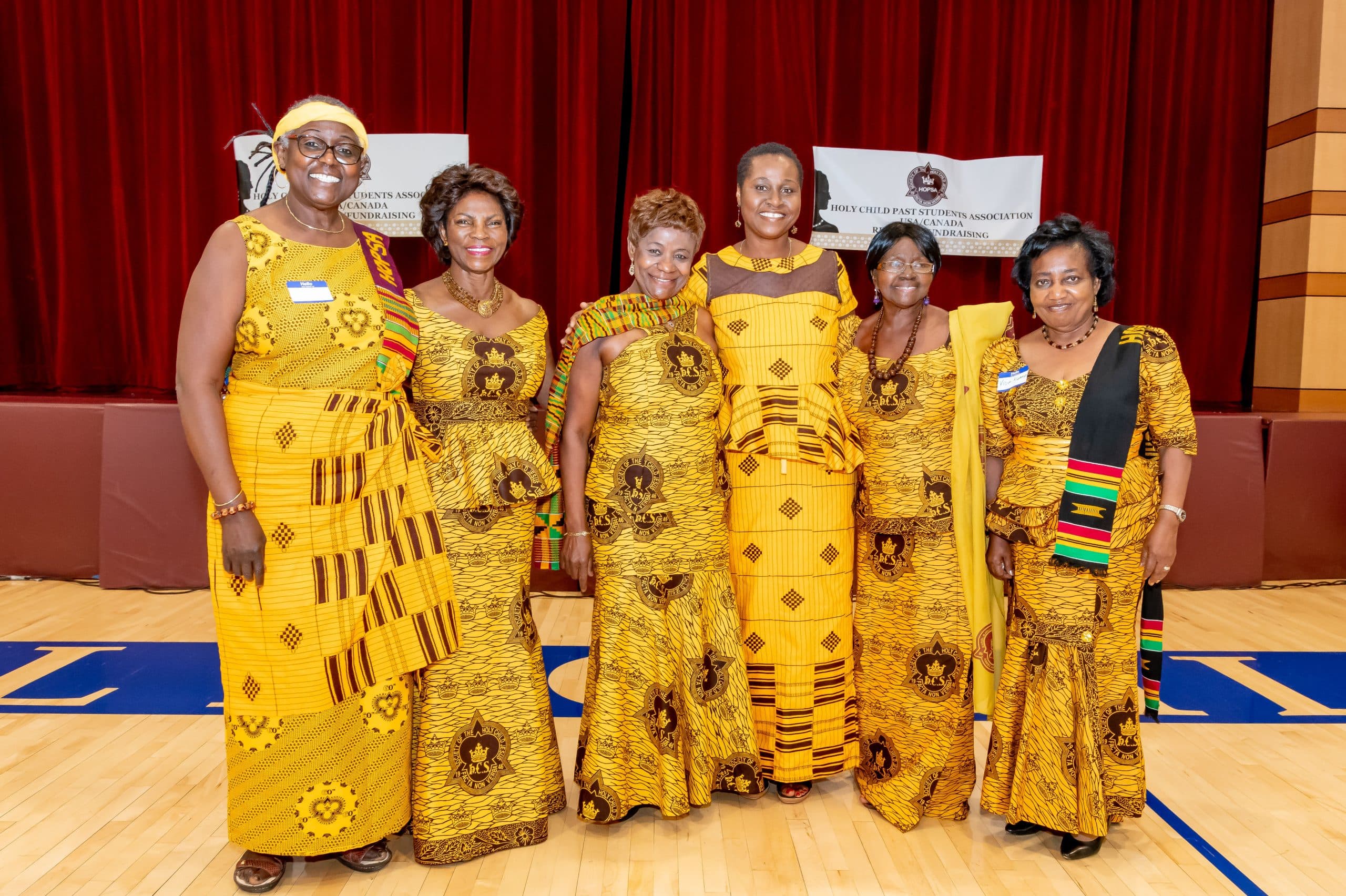
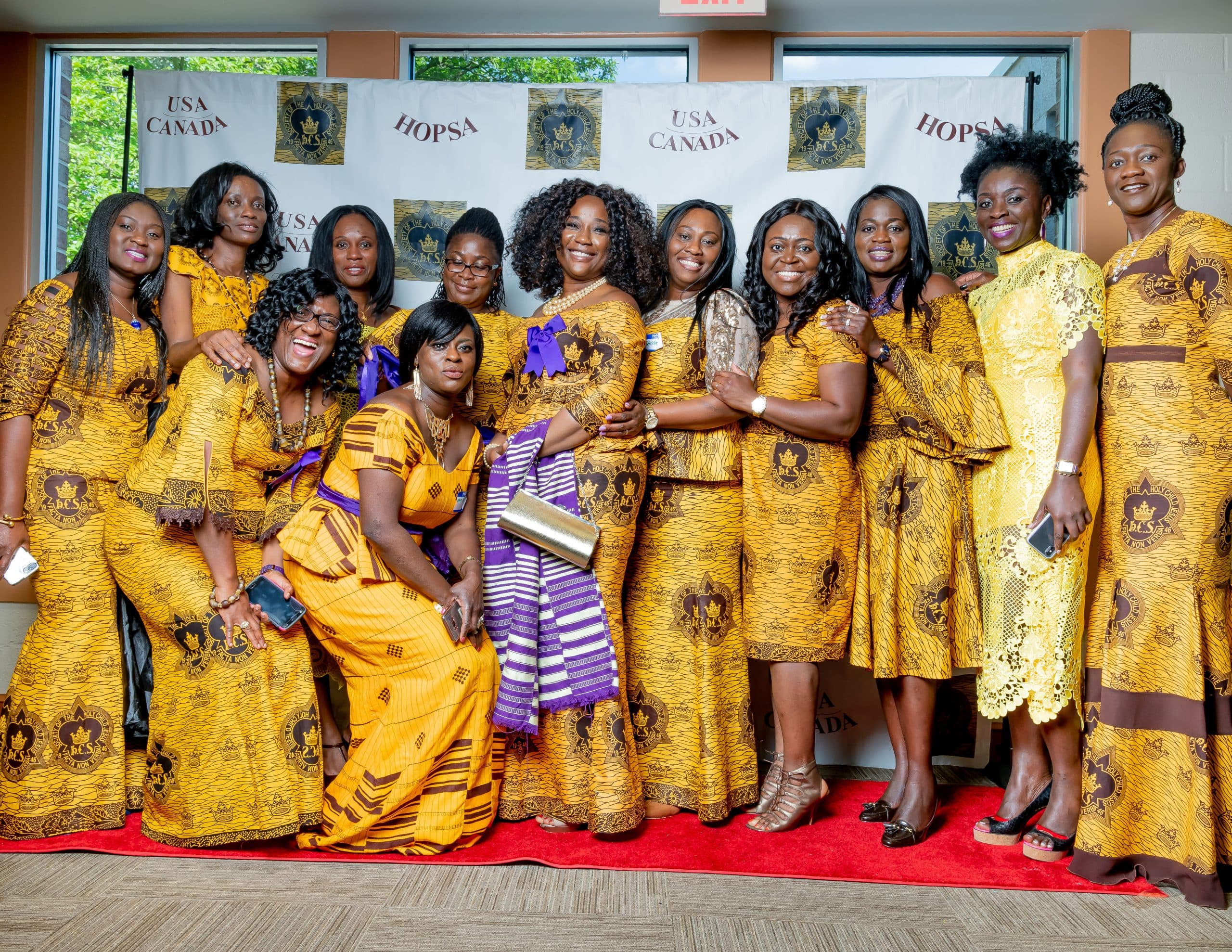
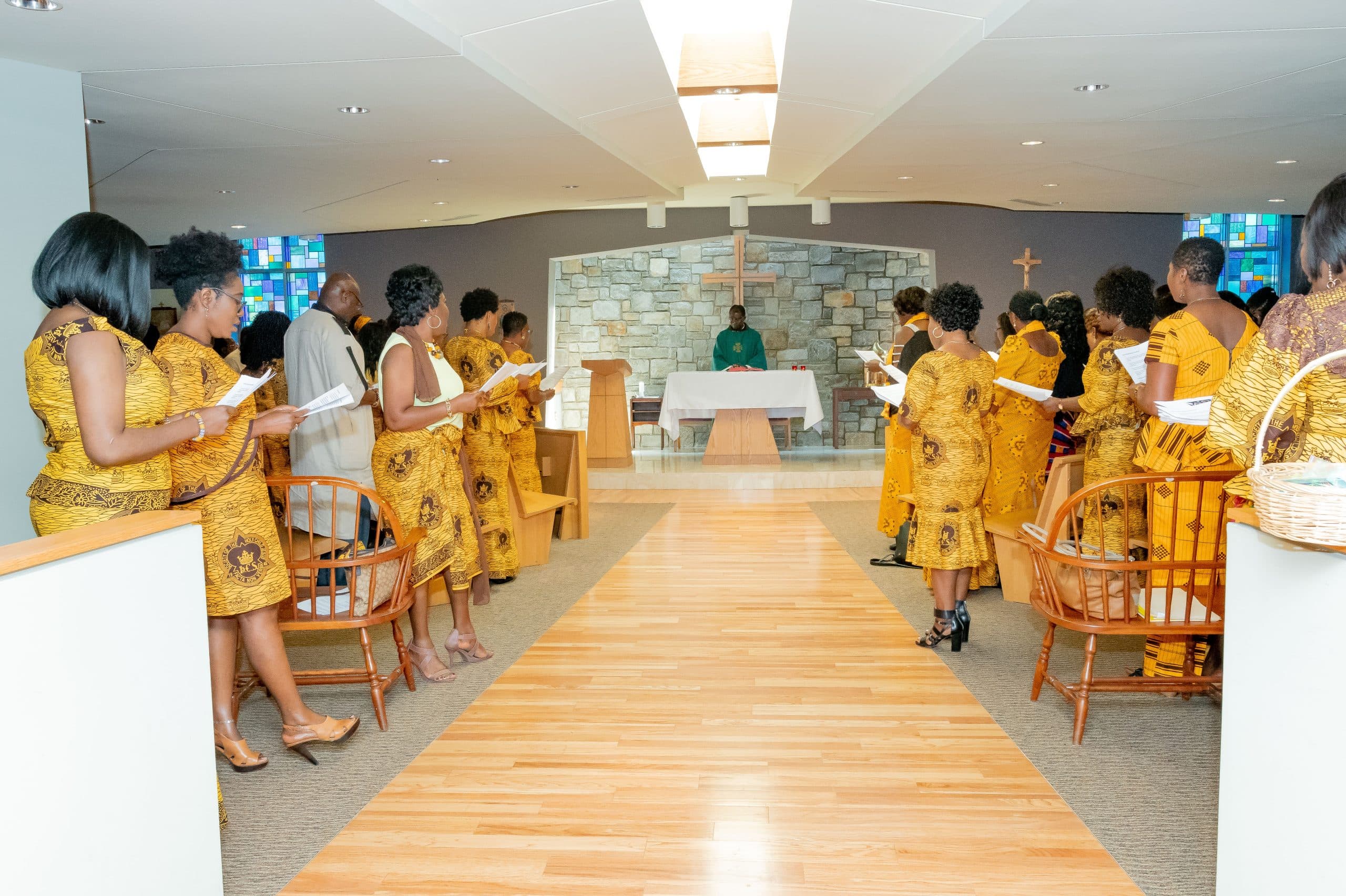
The Holy Child Past Students Association (HOPSA) for graduates of Holy Child School, Cape Coast and Holy Child College, Takoradi — uniting our sisters across the United States and Canada since 2007.
Our Story
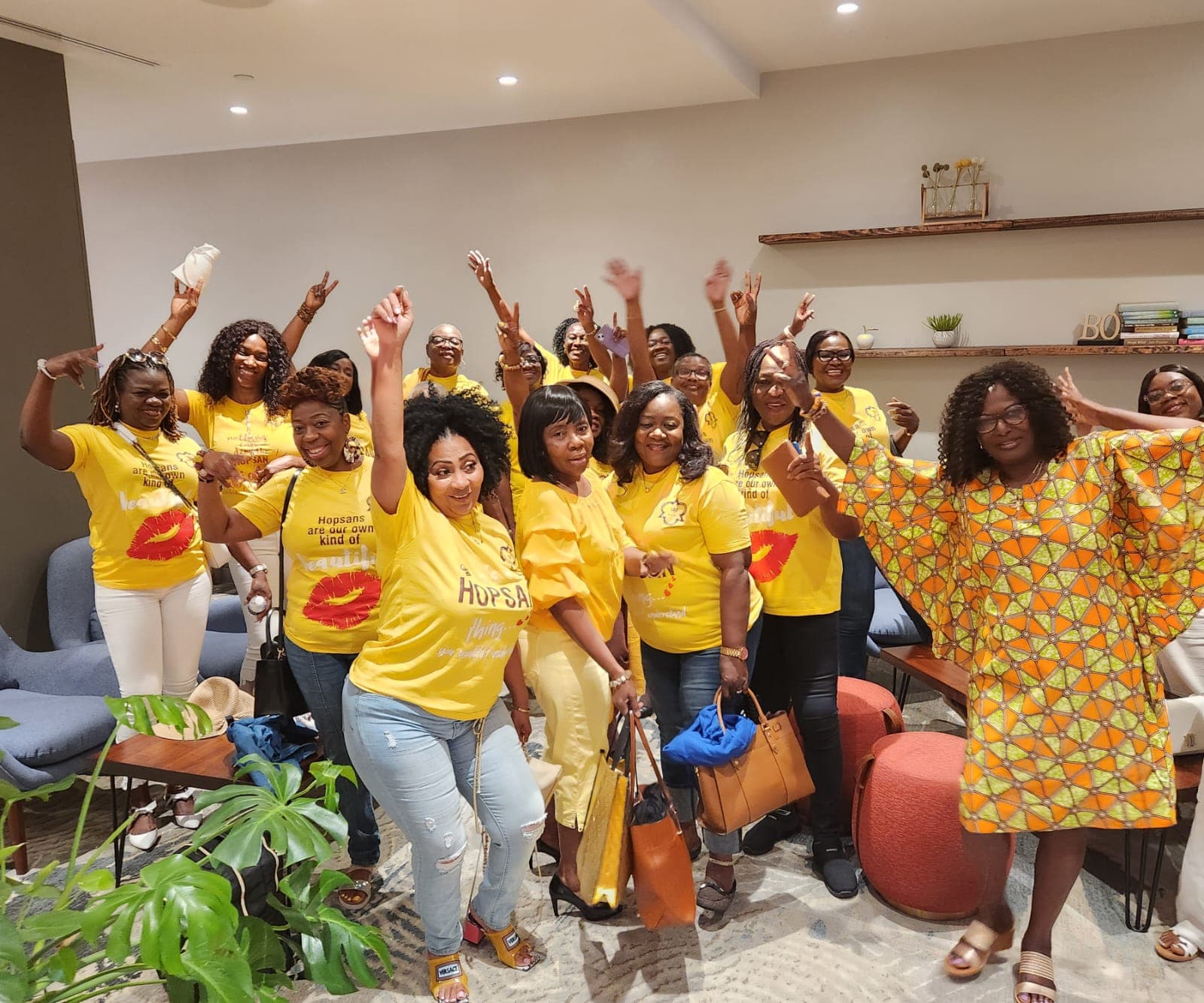
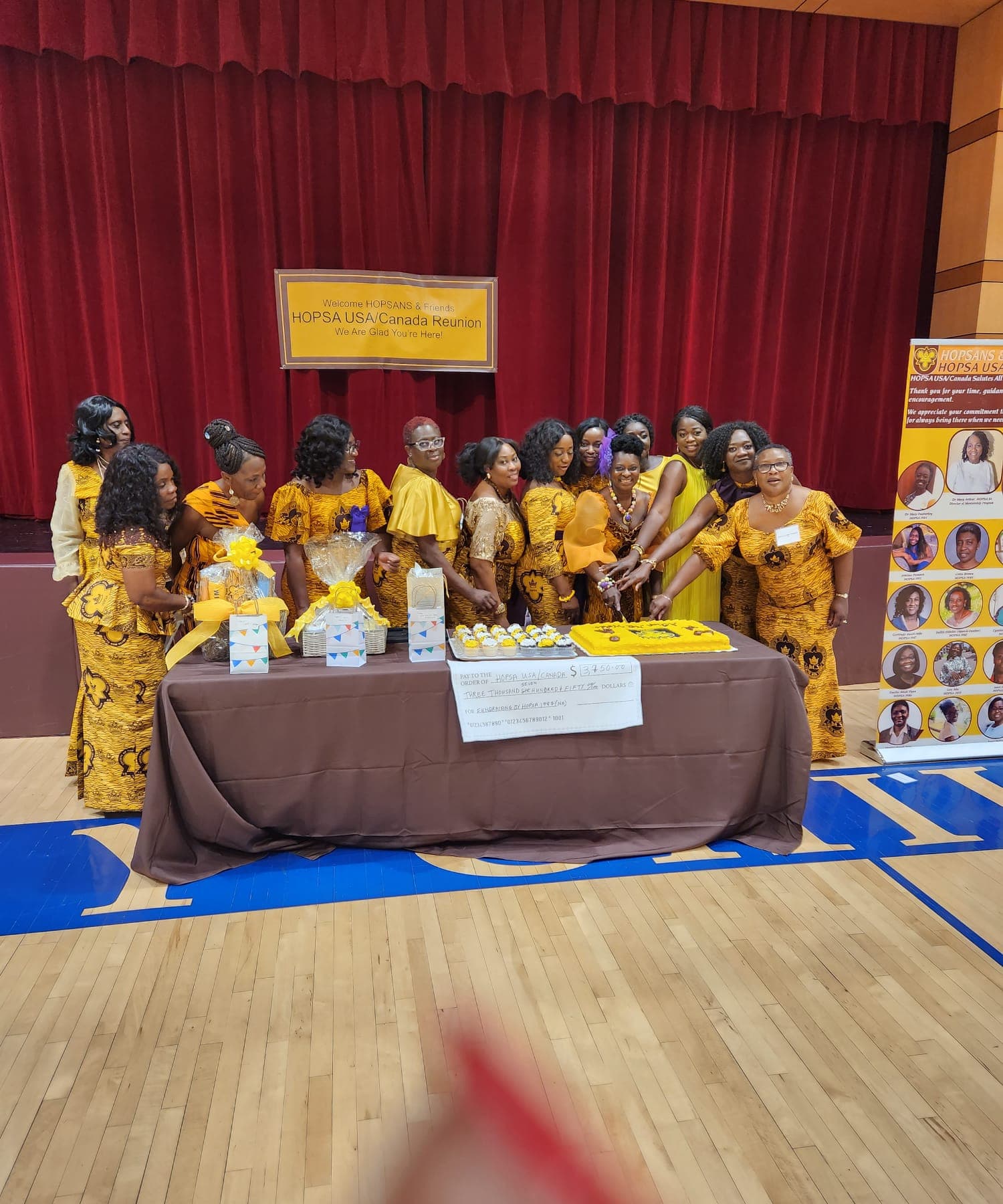
Read our storyHOPSA USA-CANADA is an association of past students of Holy Child School and Holy Child College from Ghana, residing in the United States and Canada.
We are part of the Holy Child Past Students Association (HOPSA), founded in 1973 in Ghana — united by sisterhood, service, and love for our alma mater.
The dream for HOPSA USA-CANADA became reality at our inaugural celebration on July 7, 2007 in Willingboro, New Jersey.
Our Mission
To unite the graduates of Holy Child Secondary School, Cape Coast, and Holy Child College, Takoradi, to cultivate closer personal and professional relationships and sisterly fellowship among the graduates of the institutions and to extend aid to those in need.
Our Vision
To advance the interest of Holy Child Secondary School, Cape Coast and Holy Child College, Takoradi in the expectation and hope of making them the foremost among institutions of their type.
Our Values
- Sisterhood
- Service
- Scholarship
- Excellence
The History of Holy Child School
The history of Holy Child School cannot be divorced from the vision of the venerable Cornelia Connelly; founder of the Society of the Holy Child Jesus.
Read the historyMission, vision & valuesMessage from the President
Read her message
Cultivating Connection, Championing Growth.
On behalf of the members of HOPSA USA-Canada, I warmly welcome you to our official website. It is my distinct honor to serve as President of this dynamic and purpose-driven alumnae association, which represents proud graduates of Holy Child School, Cape Coast and Takoradi living across the United States and Canada.
We are a blessed community shaped by the values of faith, discipline, and love poured into us during our time at Holy Child School.
Executive Leadership
Meet the board2025–2027 Executive Board
- Barbara FrimpongPresident
 Lorraine NimakoVice President, Strategic Initiatives
 Sandra DarkeyVice President, Programs and Operations
 Brenda Bannerman-DicksonOrganizing Secretary
 Diana ZaatoSecretary
 Josie Haizel-CobbinaAssistant Secretary
 Shirley Kirk-BarclayPublic Relations Officer
 Efua TaylorPublic Relations Officer – II
 Anita MitchualTreasurer
 Barbara NewmanFinancial Secretary
 Mary ArthurDirector of Programs
 Antoinette EssilfieYear Groups and Regional Coordinators Liaison
Frequently Asked Questions
All FAQsWhat is HOPSA USA-Canada?
Is HOPSA USA-Canada a non-profit?
How do I get a tax receipt for my donation?
A receipt is emailed to you as soon as your gift goes through. It shows the amount, the date and a receipt number, and it is your record for tax purposes.
Members can also print a receipt for any gift, or a statement of a whole year, from the member portal: sign in, open My Giving, and choose the receipt number next to a gift, or pick a year and choose Annual statement. Use your browser’s Print option to save it as a PDF. Each January we also email members a summary of the previous year’s giving.
Gave without a member account, or lost your receipt? Email hopsa.us.canada@gmail.com and we will send you a statement.
HOPSA USA-Canada is a registered 501(c)(3) non-profit, so donations are tax-deductible to the extent the law allows.
Do you collect annual dues or registration fees?
Gallery
See the gallery